Law Enforcement
Capability for modern investigations
We build practical cyber, OSINT and digital-investigation capability for policing teams, the confident, current skills they need to keep pace with crime that is increasingly, and sometimes entirely, online.
The Challenge
Crime has moved online. Has capability kept up?
Almost every investigation now has a digital dimension, from a suspect's online footprint to evidence held on devices and in the cloud. Yet many teams lack confident, up-to-date capability in cybercrime, open-source intelligence and digital evidence.
The consequences are real and operational: missed leads, slower investigations, evidence-handling risk, and offenders who actively exploit the capability gap. Keeping pace with cyber-enabled crime is no longer a specialism. It's core business.
Our Solution
Mapped to Prevent, Protect, Prepare, Pursue
We deliver practical, hands-on capability development across cybercrime awareness, OSINT and digital investigation, built for operational reality and aligned to the policing mission.
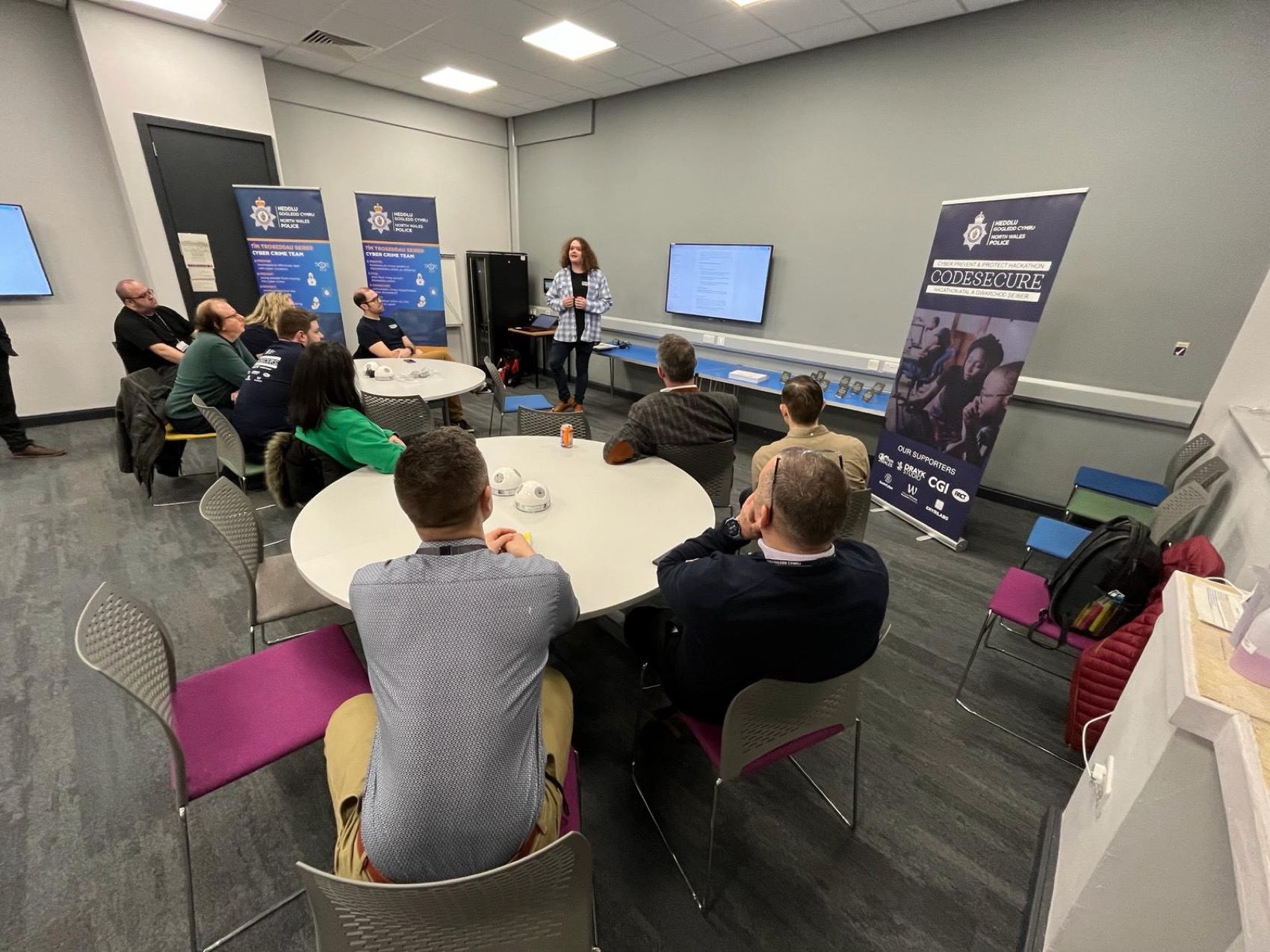
Cybercrime awareness
Practical fundamentals for frontline and specialist officers, so cyber-enabled crime is recognised, triaged and escalated correctly. Capability starts with confident recognition, knowing what you're looking at and what to do next is half the battle.
- Frontline & specialist
- Recognise, triage, escalate
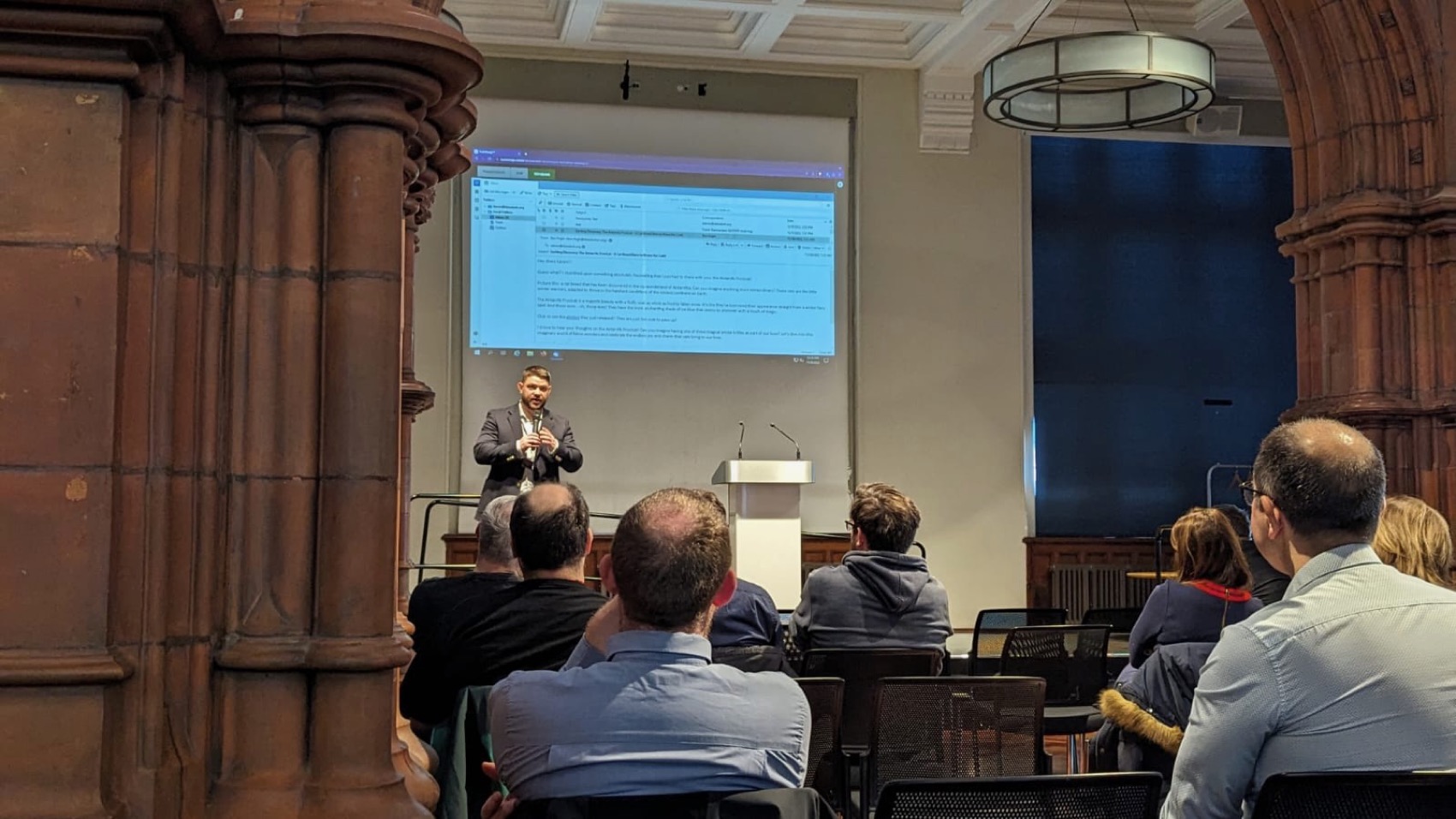
Open-source intelligence (OSINT)
Hands-on OSINT tradecraft for live investigations, taught by specialists who have used it in the field. Officers learn to gather and assess intelligence effectively and responsibly, with a clear understanding of both its value and its boundaries.
- Taught by practitioners
- Effective and responsible
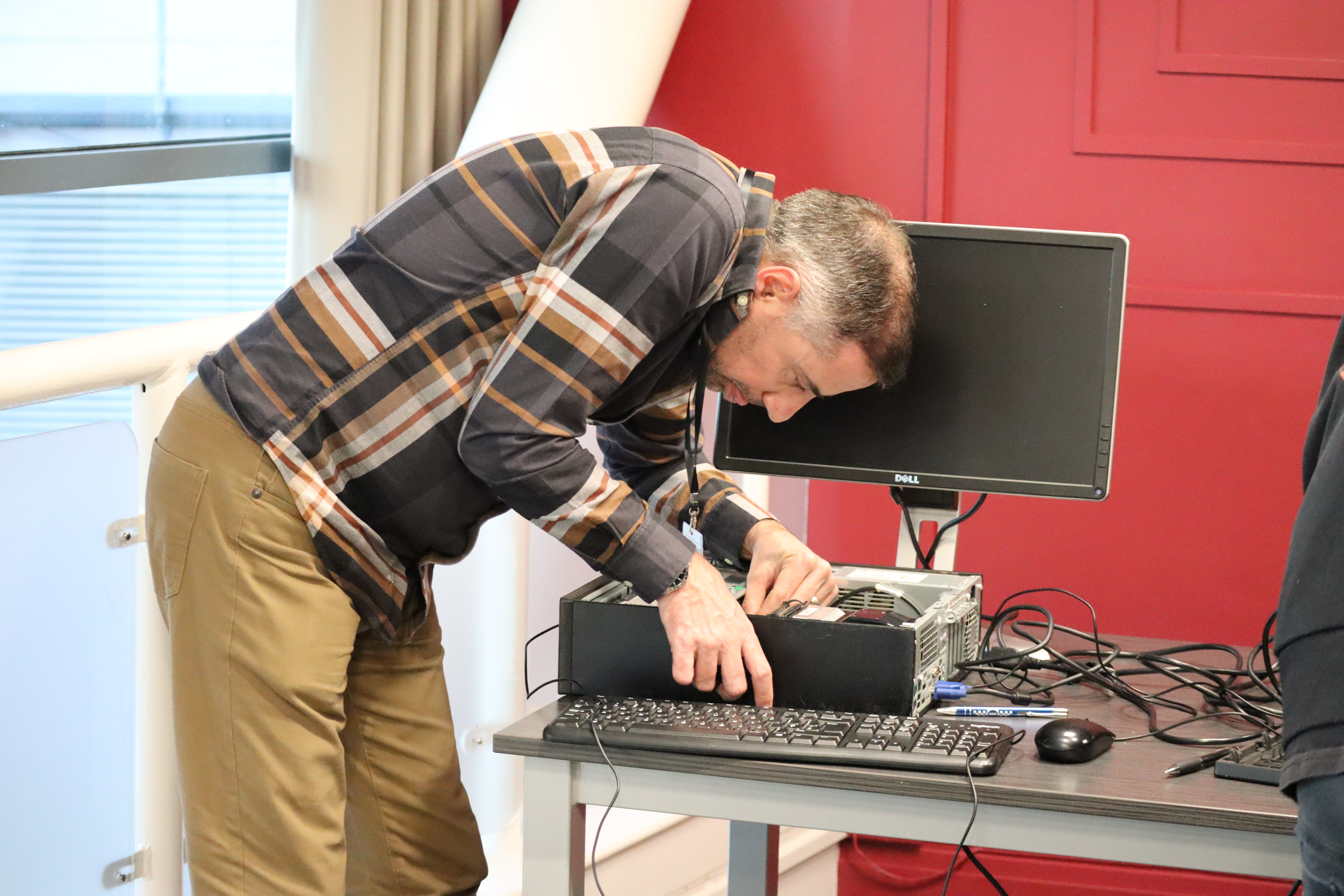
Digital investigation and evidence
Sound digital evidence handling, forensic awareness and intelligence-led techniques are the skills that make investigations both more effective and more defensible. Get this right and cases are stronger; get it wrong and they can collapse.
- Sound evidence handling
- Stronger, defensible cases
The Payoff
Operational benefits
Confident digital capability changes outcomes across the whole investigation.
-
Stronger investigations
Confident digital capability that uncovers more, and uncovers it faster.
-
Reduced operational risk
Sound evidence handling and better-informed decision-making throughout a case.
-
Teams ready for what's next
Skills that keep pace with rapidly evolving cyber-enabled crime.
Frequently Asked Questions
Questions, answered
What cyber and OSINT training do you provide for policing?
We provide practical capability across cybercrime awareness, open-source intelligence (OSINT) and digital investigation and evidence handling, all delivered through realistic scenarios. The aim is confident, current capability for both frontline and specialist officers, so cyber-enabled crime is recognised, triaged and escalated correctly. Capability starts with confident recognition, knowing what you're looking at and what to do next is half the battle.
Is the OSINT training taught by experienced practitioners?
Yes. It's taught by specialists who have used these techniques in the field, so officers learn current, practical tradecraft rather than dated theory. That real-world grounding keeps the training relevant to live investigations and the way online crime actually works. It also means trainers can answer the difficult, operational questions that experienced officers will inevitably ask.
Is the training mapped to the policing mission?
Yes. It aligns to Prevent, Protect, Prepare and Pursue, and is built for operational reality rather than the classroom. Keeping pace with cyber-enabled crime is no longer a niche specialism, it's core business, and the training is framed accordingly. That alignment makes it straightforward to show how capability development supports the wider policing mission.
Can training be tailored to our investigative teams?
Yes. Content and scenarios are tailored to frontline and specialist roles and the cases your teams actually handle, so the practice reflects real casework rather than generic examples. That relevance is what turns training into genuinely transferable capability. Where you need it, bespoke scenarios can mirror the specific systems and investigation types your officers work with.